

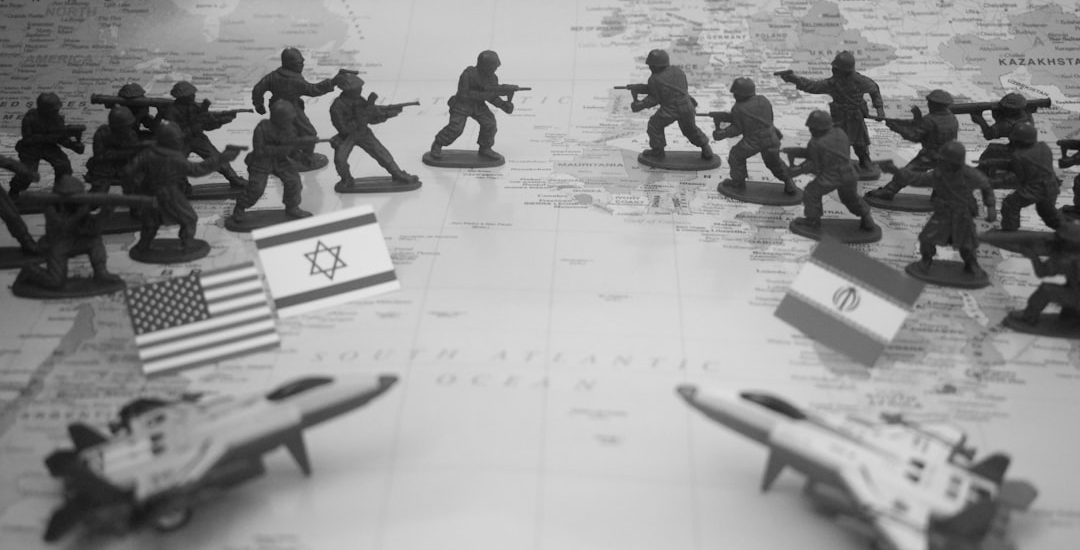
UNITED STATES IRAN WAR: CURRENT DEVELOPMENTS AND GEOPOLITICAL IMPLICATIONS
United States Iran War: Current Developments and Geopolitical Implications — Explore the latest updates and geopolitical impact of the United States Iran war, including key events and future outlook.
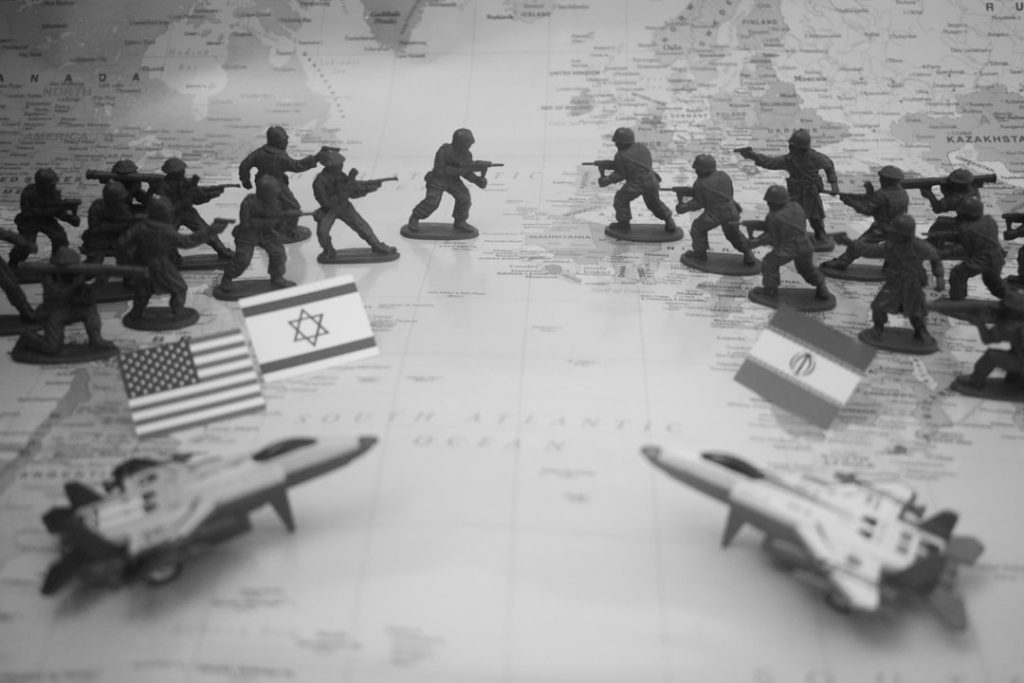
What’s New Today
The tension between the United States and Iran remains a critical issue with ongoing military and diplomatic developments. Recent reports indicate escalations in regional confrontations, diplomatic negotiations in progress, and international reactions shaping the conflict’s trajectory. The geopolitical landscape continues to evolve with each new event affecting global security and economic stability.
Big Picture
The United States Iran war is not a conventional war but a complex conflict involving direct and proxy engagements, economic sanctions, and strategic diplomacy. The roots of the conflict date back decades, influenced by ideological differences, regional power struggles, and nuclear program concerns. The conflict has significant implications for global energy markets, international alliances, and regional stability in the Middle East.
Key Details (Breakdown)
- Military Engagements: Limited direct military confrontations alongside proxy wars involving allied groups in the region.
- Sanctions: The US continues to impose economic sanctions targeting Iran’s economy and nuclear ambitions.
- Diplomacy: Ongoing negotiations aimed at nuclear deal restoration and conflict de-escalation.
- Regional Impact: Countries like Iraq, Syria, and Yemen are affected by the proxy conflicts tied to this war.
- International Reactions: Global powers watch closely, balancing sanctions, diplomacy, and support to respective allies.
Timeline
- 1979: US Embassy hostage crisis marks a turning point in US-Iran relations.
- 2000s: Rising tensions over Iran’s nuclear program.
- 2015: Iran nuclear deal (JCPOA) signed to curb nuclear activities.
- 2018: US withdrawal from JCPOA and reinstatement of sanctions.
- 2020: US drone strike kills Iranian general Qasem Soleimani, escalating conflict.
- 2021-2024: Period marked by intermittent violence, proxy conflicts, and diplomatic efforts to revive the nuclear deal.
What It Means
The ongoing conflict affects not only the involved nations but also global peace and economic markets. The instability in the Middle East can lead to disruptions in oil supply, affecting worldwide energy prices. Furthermore, the war impacts international diplomatic relations, with allies of both nations needing to navigate a delicate balance. Humanitarian concerns also arise due to proxy battles and sanctions affecting civilian populations.
What to Watch Next
- Progress in nuclear deal negotiations and potential agreements.
- Shifts in US or Iranian military strategies or proxy engagements.
- International diplomatic interventions or peace talks.
- Changes in economic sanctions or relief measures.
- Regional alliances and their influence on conflict dynamics.
FAQ
Q: Is the United States currently at war with Iran?
The conflict is characterized by indirect engagements, sanctions, and proxy conflicts rather than a full-scale declared war.
Q: What are the main causes of the US-Iran conflict?
Key issues include Iran’s nuclear program, regional influence, and ideological differences dating back decades.
Q: How does this conflict affect the global economy?
Instability in the Middle East can disrupt oil supplies and increase energy prices globally.
Q: Are there any peace efforts ongoing?
Yes, diplomatic negotiations, including talks on the nuclear deal, are ongoing to de-escalate tensions.
Sources
- Reps Query National Library Over Alleged Abandonment of ₦365m Project – Voice of Nigeria
- Reps query National Library over abandonment of N365m project nine years after award – Tribune Online


