
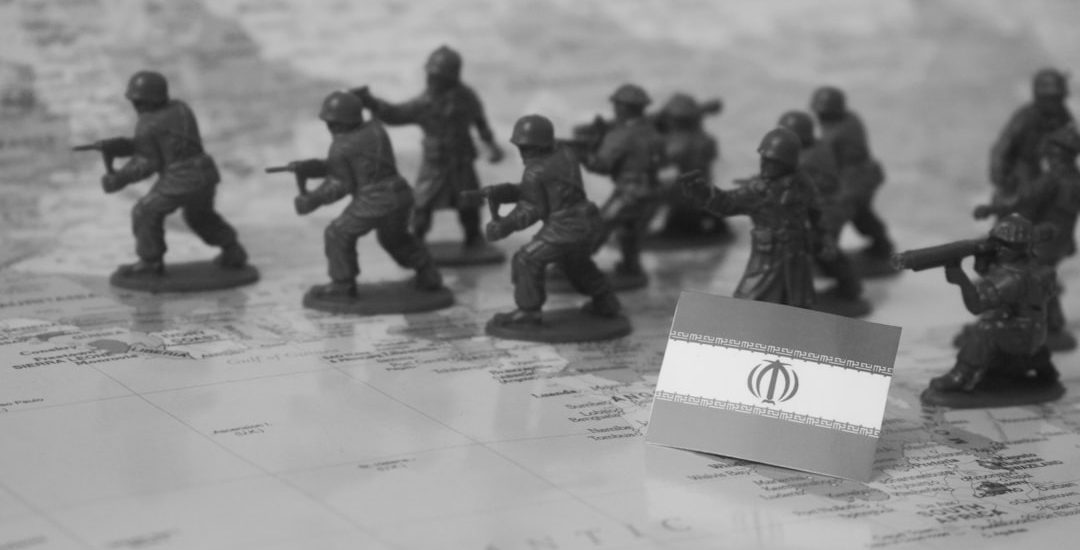
UNDERSTANDING THE IRAN WAR: CURRENT DEVELOPMENTS AND IMPLICATIONS
Understanding the Iran War: Current Developments and Implications — Explore the latest on the Iran war, key facts, timeline, and what it means for global security and diplomacy.
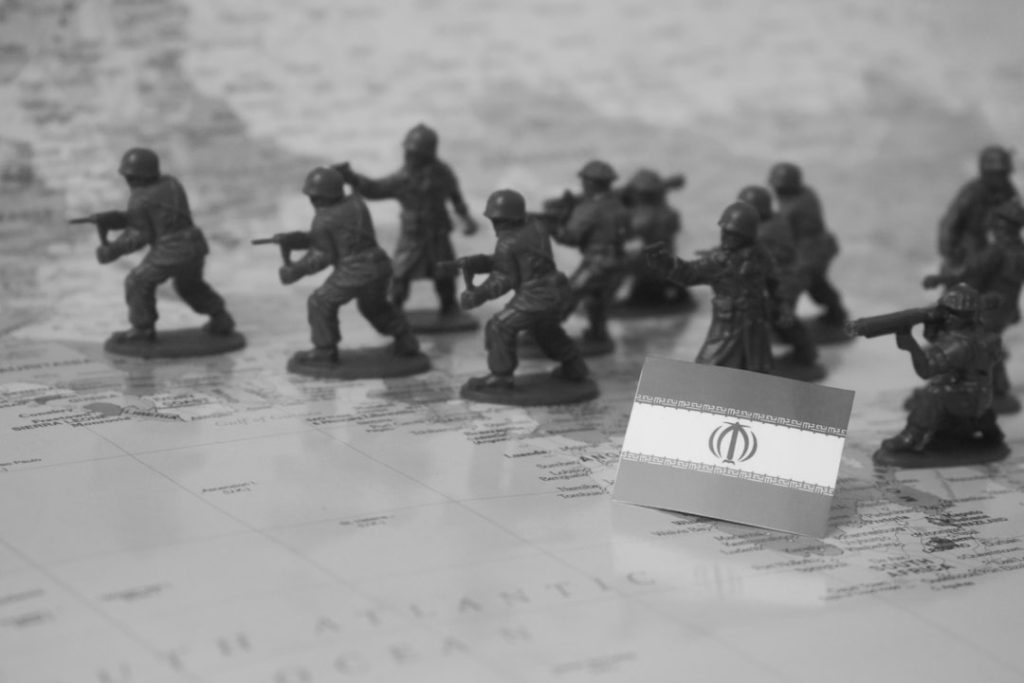
What’s new today
The ongoing conflict involving Iran continues to evolve, with significant geopolitical ramifications. Recent developments have heightened tensions in the Middle East, impacting not only regional stability but also global security dynamics. While specific battlefront updates and diplomatic moves remain fluid, global attention remains sharply focused on Iran’s role in the conflict and related international responses.
Big picture
The Iran war reflects a complex interplay of historical grievances, regional power struggles, and international interests. Iran’s strategic position in the Middle East and its alliances have made it a central figure in various conflicts, sometimes directly involved in military actions or through proxy forces. The conflict affects global energy markets, diplomacy, and security alliances, making it a pivotal concern for policymakers worldwide.
Key details (breakdown)
- Actors involved: Iran, regional neighbors, and international powers.
- Causes: Mix of territorial disputes, ideological differences, and influence over regional politics.
- Impact: Humanitarian crises, economic sanctions, and disruption of global energy supplies.
- Diplomatic efforts: Various rounds of negotiations, with mixed success in de-escalating tensions.
- Military developments: Ongoing clashes, use of proxy groups, and strategic maneuvers.
Timeline
- Pre-2000s: Historical tensions and conflicts shaping Iran’s regional policies.
- Early 2000s: Increased international focus on Iran’s nuclear program and regional influence.
- 2010s: Proxy conflicts intensified, including involvement in Syria and Yemen.
- 2020 onwards: Escalations with direct confrontations and targeted strikes reported.
What it means
The Iran war symbolizes a broader struggle for regional dominance and international influence. Its continuation risks further destabilizing the Middle East, with potential spillover effects such as increased refugee flows and economic uncertainty. For global powers, the conflict challenges diplomatic strategies and military postures, often complicating efforts to maintain peace and security.
What to watch next
- Potential ceasefire negotiations or peace talks.
- Shifts in alliances or involvement of new regional actors.
- Impact of international sanctions or economic measures on Iran.
- Humanitarian situation updates and responses.
- Emerging intelligence on military movements or strategies.
FAQ
- What is the Iran war? – It refers to ongoing conflicts involving Iran, including direct and proxy engagements in the Middle East.
- Why is Iran involved in regional conflicts? – Iran seeks to expand its influence and secure its interests amid rival powers.
- How does the war affect global security? – It creates instability, affects energy markets, and influences international diplomatic relations.
- Are there peace efforts underway? – Various diplomatic initiatives exist, but progress remains uncertain.
- What should the international community do? – Promote dialogue, support humanitarian aid, and pursue conflict resolution mechanisms.