
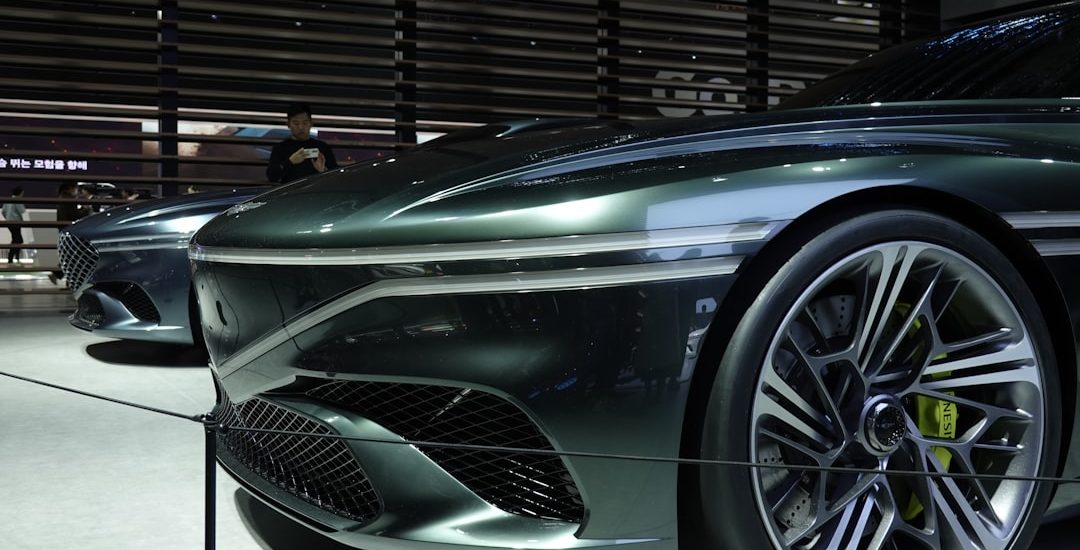
NEW ELECTRIC CARS: INNOVATIONS AND TRENDS SHAPING THE FUTURE OF MOBILITY
New Electric Cars: Innovations and Trends Shaping the Future of Mobility — Explore the latest innovations, trends, and future outlooks in the world of new electric cars for sustainable mobility.

Whats new today
The electric car market is evolving rapidly, with manufacturers launching new models that incorporate cutting-edge technology, improved battery capacity, and enhanced performance. New electric vehicles (EVs) are becoming more accessible and versatile, catering to a broader range of consumers and driving needs. These advances are paired with growing infrastructure investments, such as expanded charging networks and smarter energy management systems, to support the increasing adoption of EVs globally.
Big picture
Electric cars are a critical component in the global push towards sustainable transportation and carbon reduction goals. Governments and industries worldwide are prioritizing the shift from internal combustion engines to electric powertrains to tackle climate change and reduce air pollution. The automotive sector is witnessing a paradigm shift with major players committing to electrification strategies, aiming for a future where electric vehicles dominate roads.
The broader ecosystem around electric vehicles is also maturing, including developments in battery technology, renewable energy integration, and smart grid connectivity, which collectively enhance the feasibility and attractiveness of EVs compared to traditional vehicles.
Key details (breakdown)
- Battery Innovations: New lithium-ion and solid-state batteries are extending driving ranges, reducing charging times, and improving safety.
- Model Variety: Automakers are releasing diverse EV models—from compact city cars to SUVs and luxury sedans—meeting different consumer preferences.
- Charging Infrastructure: Expansion of fast-charging stations and home charging options makes EV ownership more convenient than ever.
- Affordability: Cost reductions through economies of scale and government incentives are making electric cars more affordable for the mass market.
- Technology Integration: Advanced driver-assistance systems, connectivity features, and over-the-air updates enhance user experience and vehicle functionality.
Timeline
- 2020-2021: Surge in EV sales globally, driven by early adoption in Europe, China, and the US.
- 2022-2023: Launch of next-generation battery technologies and increased model diversity.
- 2024: Expected mainstream adoption with improved charging networks and competitive pricing.
- 2025 and beyond: Further technological breakthroughs and policy support leading to mass-market EV dominance.
What it means
The rapid progression of new electric cars signifies a transformative shift in transportation, impacting environmental sustainability, energy consumption, and urban planning. Consumers benefit from reduced fuel costs, lower maintenance, and cleaner air quality, while governments move closer to achieving climate targets. The automotive industry faces challenges in supply chain management, raw materials sourcing, and transitioning workforce skills, but overall, the outlook favors long-term growth and innovation.
What to watch next
- Development of solid-state batteries offering safer, faster charging and longer lifespan.
- Expansion of super-fast charging stations integrated with renewable energy sources.
- Introduction of more affordable EV models targeting emerging markets.
- Advancements in vehicle-to-grid (V2G) technology enabling cars to feed power back into the grid.
- Policy changes and incentives boosting electric vehicle adoption worldwide.
FAQ
- Are new electric cars more affordable than before?
- Yes, improvements in manufacturing and battery costs, along with government incentives, have made EVs more accessible to a wider audience.
- How far can new electric cars travel on a single charge?
- Many new models offer ranges exceeding 250-300 miles, with some premium vehicles capable of more than 400 miles per charge.
- Is charging infrastructure sufficient for growing EV numbers?
- Charging infrastructure is expanding rapidly, with more fast chargers being installed nationwide to meet increasing demand.
- What are the environmental benefits of electric cars?
- Electric vehicles produce zero tailpipe emissions, reduce greenhouse gases, and can operate on renewable energy, helping to combat climate change.
- How long does it take to charge a new electric car?
- Charging times vary depending on the charger type, from 30 minutes at a fast-charging station to several hours with home chargers.